
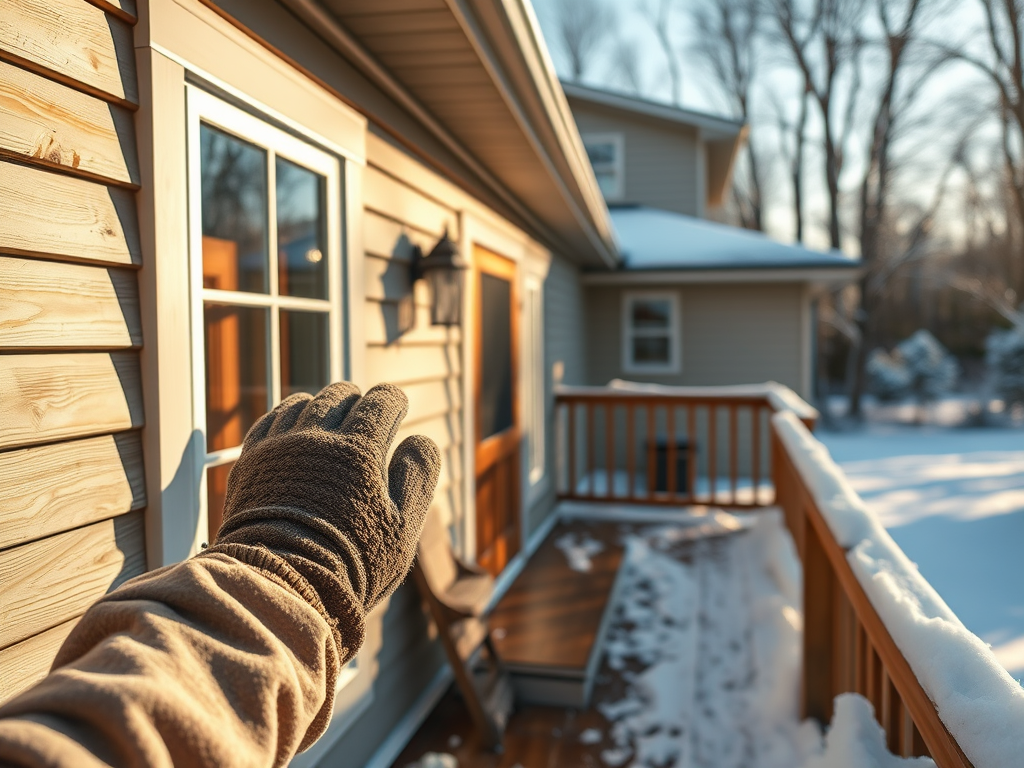
The winter storm has passed, the snow is melting, and East Tennessee is finally drying out. While we’re all glad to be on the other side of the freeze, the weight of ice and the cycle of freezing and thawing can be incredibly hard on a home.
Now that it’s safe to head outside, it’s time for a quick “Post-Storm Audit.” Catching minor damage today prevents expensive wood rot and structural issues this spring.
Here are the 5 critical areas every Knoxville, Tellico Village, and Farragut homeowner should check this week.
1. Check Your Siding and Trim
When water gets behind your siding or into cracks in your trim and then freezes, it expands. This “freeze-thaw” cycle can pop boards loose or cause vinyl siding to crack.
- What to look for: Look for warped boards, gaps where trim meets the house, or pieces of siding that seem “pushed out.”
- The Risk: Open gaps allow spring rains to seep directly into your wall cavities, leading to mold and hidden rot.
2. Inspect the Deck and Railings
Heavy snow and ice can weigh hundreds of pounds, putting immense pressure on your deck’s structure.
- What to look for: Check for “popped” nails or screws that have been pulled up by the wood’s expansion. Give your railings a firm shake—does the ice weight loosen any of the connections?
- The Risk: A loose railing is a major safety liability for guests. Re-securing these now is a fast, inexpensive fix compared to a full railing replacement.
3. Scan for “Ice Dam” Evidence
Even without doing gutter work, you can see the symptoms of ice damage. When snow melts on your roof but freezes again at the edge, it creates a “dam” that forces water up under your shingles.
- What to look for: Look for water stains on your interior ceilings or moisture around the tops of window frames. Check your exterior fascia boards (the wood behind the gutters) for new water streaks or peeling paint.
- The Risk: Trapped water can rot your roof decking and soak your insulation, leading to high energy bills and ceiling damage.
4. Test Your Exterior Faucets
If you forgot to disconnect a hose or cover a spigot, the pipe inside the wall may have frozen. You might not notice the leak until the first time you turn the water on.
- What to look for: Turn on your outdoor faucets once it’s well above freezing. While the water is running, check the crawlspace or the basement wall directly behind the faucet to ensure no water is spraying inside.
- The Risk: A burst pipe inside a wall can leak for hours before it’s noticed, causing catastrophic water damage to your flooring and drywall.
5. Evaluate Window and Door Seals
Extreme cold causes materials to contract. If you felt drafts this weekend, your weatherstripping likely reached the end of its lifespan.
- What to look for: Check for visible gaps in the rubber seals around your doors or cracked caulking around window frames.
- The Risk: Poor seals don’t just let in the cold; they let in the humidity and pests that Tennessee is famous for during the spring.
Don’t Tackle the Damage Alone
If your post-storm walk-through reveals a list of repairs, don’t stress. Whether it’s re-securing trim, fixing a loose deck rail, or sealing up drafts, PropertyWorx Solutions is here to help our Knoxville neighbors get back to normal.
Need a hand with your post-storm repairs?
Would you like to schedule a professional walk-through to address any damage found after the freeze?

Leave a Reply